
Embarking on a journey requires a delicate balance between structured organization and the freedom to explore. Finding the sweet spot is an art form in itself, transforming a potentially tumultuous trip into a seamless adventure. Here’s how to build a travel plan that feels organized yet still has room for spontaneity and surprise.
Understand Your Travel Style
Before plotting any routes or crafting itineraries, it's essential to reflect on your travel style. Are you someone who revels in a minute-by-minute itinerary or do you thrive on impromptu explorations? Understanding your comfort zone sets the tone for the entire journey. If uncertainty sparks anxiety, a more structured plan might suit you; if restriction stifles your spirit, keep things loose.
Map Out the Must-Sees
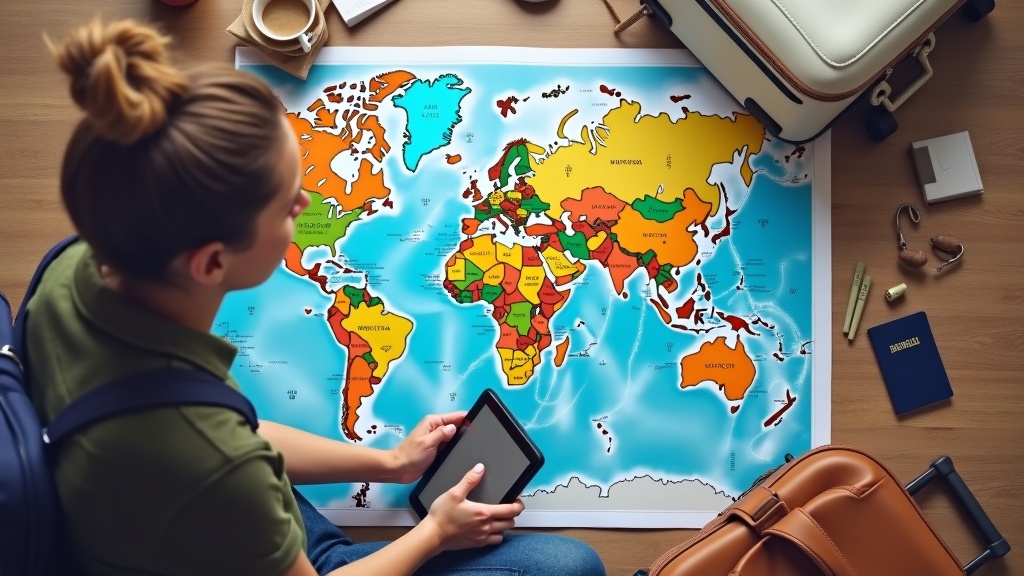
Highlighting the destinations or experiences you absolutely cannot miss is a crucial step in travel planning. Use a mix of digital tools and traditional maps to visualize these 'must-sees'. Claire, a seasoned traveler, advises utilizing apps like Google Maps to 'pin' essential spots while leaving digital space for those unexpected gems you might stumble upon.
Set Flexible Boundaries
Flexible organization may seem like an oxymoron, but setting loose boundaries can enhance your travel experience. Once your must-sees are established, form a basic framework of your itinerary. Brad, an adventure enthusiast, recommends allocating 'buffer days'—extra days with no bookings around high-priority activities for anything unplanned that crops up.
Prioritize Packing Versatility
A flexible travel plan naturally extends into what you pack. Instead of trying to prepare for every conceivable situation, choose items that serve multiple purposes. Light layers, versatile shoes, and a compact travel kit help you tackle different climates and activities without the burden of overpacking.
Book Accommodations Wisely
Where you stay can either anchor or liberate your travel experience. Rather than pre-booking your entire stay, consider securing lodging only for the first night or two. This approach not only provides a safety net upon arrival but also leaves you free to move as you please. Experiment with different types of accommodation, from hotels and hostels to short-term rentals and Couchsurfing, to match your flexibility needs.
Embrace Spontaneous Opportunities
Travel inherently offers the unexpected. By deliberately leaving gaps in your itinerary, you create space for serendipity. Willow, a world traveler, shares her mantra: 'Leave no room for FOMO, pursue the moment as it appears.' Whether it's a local festival that wasn't on your plan or a secluded beach only locals know, let spontaneity guide you to unforgettable experiences.
Maintain a Dynamic Itinerary
A static itinerary can feel stifling, so keep it malleable. Use digital tools, such as itinerary apps, that allow on-the-go adjustments. Regularly revisit your plan to accommodate new insights or advice gathered along the way. James, a technology buff and traveler, utilizes apps with offline capabilities to modify his routes without relying heavily on internet access.
Cultivate Connections with Locals
Oftentimes, locals provide the richest insights into their regions. Immersing yourself in the local culture and building rapport can lead to recommendations you won't find in guidebooks. Attending local markets, dining in neighborhood eateries, and engaging in cultural exchanges can transform your travel plan into a culturally infused adventure.
Balance Structure and Freedom
Ultimately, the goal is to intertwine structure with freedom seamlessly. Allow your travel agenda to act as an adaptable guide rather than a strict script. As you navigate the world, remember that the journey, with its nuances and surprises, is often more rewarding than any meticulously planned destination.